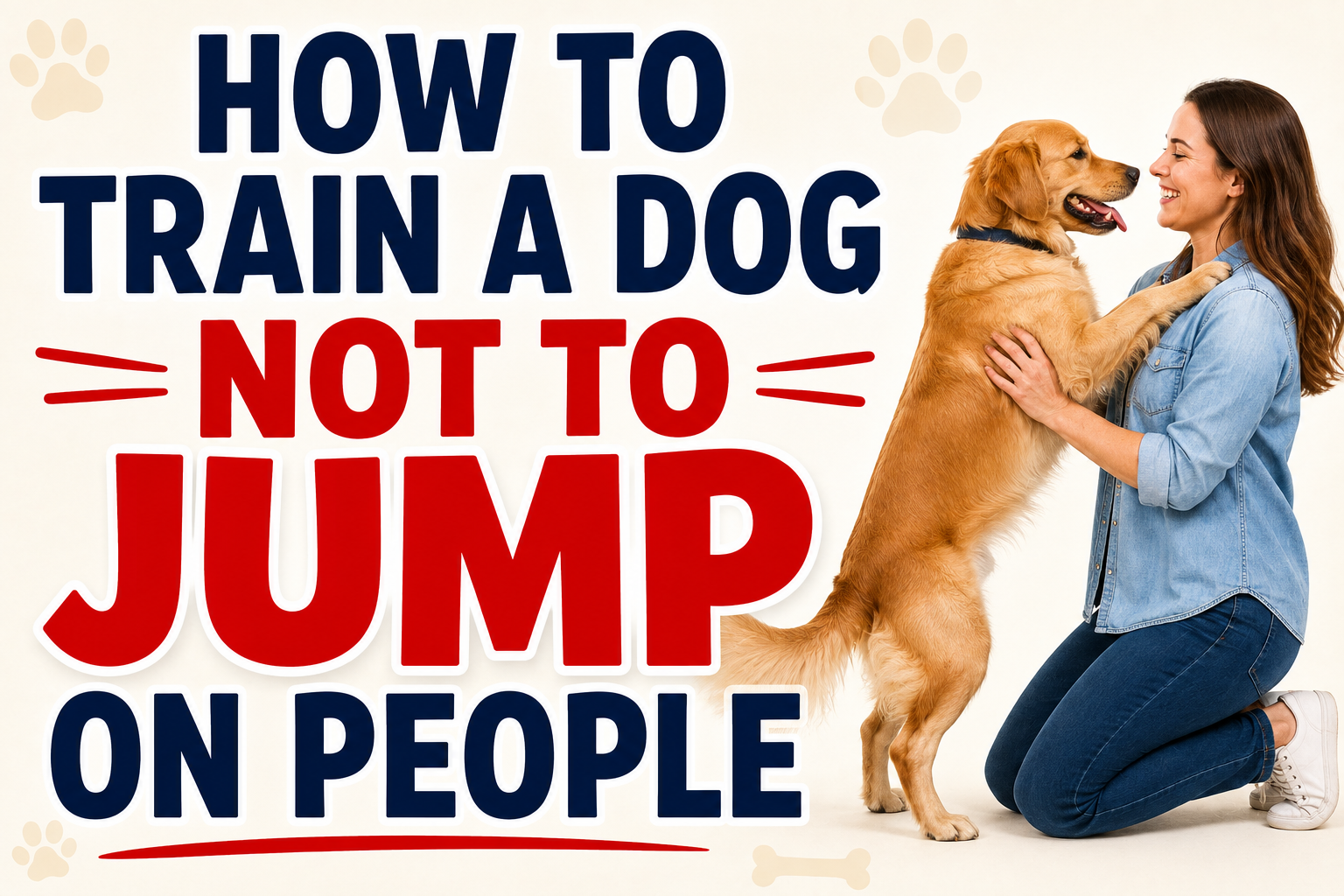
How to train a dog not to jump on people can begin by changing the way the dog learns to interact by giving it a different action to learn. A dog will associate getting jumped on with the attention, movement, or touch, so the behavior can become reinforced. Instead of trying to deter the dog from jumping every single time, consider teaching it an alternative behavior that can give it a reward.
Why Jumping Becomes A Greeting Habit
Jumping can appear to be a simple issue, but the behavior might stem from several different causes. Being able to see the pattern that leads to the dog’s behavior is important to successfully train it.
Attention Can Reinforce Jumping
Talking or touching the animal while trying to stop its jumping can turn into a cue that it should continue. The action can become rewarding, so changing the outcome is important to stopping the behavior. Explaining to the dog that jumping does not equal attention is better than constantly telling it to stop.
Bringing home a rescue dog? Learn effective rescue dog training tips to build trust and encourage good behavior.
Excitement Can Influence Behaviors
A pet might behave calmly in some situations but jump in others, for example, when being greeted by a person. At a heightened level of excitement, the dog is unable to perform certain tasks or behave in a particular way. The owner has to start training when the animal is calm enough to focus. Rewarding the desired behavior helps reinforce it, giving the dog a chance to succeed.
How To Train a Dog Not to Jump on People
The owner must give their pet a desirable alternative behavior. It has to be something that can be used every time the animal wants to greet someone.
Choose The Greeting
Keeping all paws on the ground is an excellent option, or telling sit if the dog is already trained to do so. It is important to pick the correct alternative to jumping that the pet can perform. Any behavior that can be reliably used during excited greetings will work.
Reward Early
Having a known person approach the dog while it is calm is a good way to begin. The dog should be rewarded for staying grounded before it has the chance to jump. This will cause the dog to associate attention with behaving rather than jumping.
Let Calm Behavior Bring Attention
If the dog likes to meet people, the owner can use them as a reward for good behavior. The animal will see a quiet greeting as an opportunity to receive attention. Jumping will stop the interaction, but it will only resume when the pet behaves in a calm manner. According to the AVSAB, positive reinforcement is advised to train animals, not punishment.
Are common training beliefs always true? Discover the dog training myths you should stop believing.
A Step-By-Step Guide For Real-life Greetings
Once the basics of how to greet someone are understood, introduce different circumstances in which their use can be applied to gradually increase the difficulty. This helps the dog to learn that the same behaviour works with different people and surroundings.
Start With Someone That The Dog Knows
Begin with a known person, aiming for a calm greeting and using rewards to reinforce this. By introducing small variations to the process it will become more challenging for the dog. Once they have mastered one scenario, change another factor in the environment to further test their response.
Introduce New People
Strangers often present more of a challenge. Begin at a distance that the dog can cope with to ensure that the greeting will stay calm and controlled. The dog does not need to greet everyone they meet. Walking past someone without jumping can also be a success.
Practice At The Front Door
The front door can often be the catalyst for excitement before someone even enters the house. Practicing controlled arrivals with familiar people can help the dog learn how to behave when a stranger does enter. By using a gate, lead or other management aid to stop immediate jumping it can enable the dog to learn what the alternative behavior is.
Help your dog develop better social skills with these tips on teaching your dog to play nicely with other dogs.
Try Out Greetings Outside
Greeting someone outside can present additional challenges including movement and other distractions. Begin at a distance, rewarding calm behaviour and work gradually closer if the dog is able to cope.
Keep The Rules of Greeting Consistent
A dog can become confused if different members of the family have different rules. Keeping to a similar protocol will make it easier for the dog to learn.
Keep Family Responses Similar
Anyone who regularly interacts with the dog should try to follow the same general rule of only reacting to calm behaviour. It is not important what the exact cue or reaction is, as long as it is consistent.
Prepare Visitors
It can be helpful to prepare any visitors so that they know how to react if the dog becomes overly excited. Ask them to ignore any jumping and greet the dog only when they are calm. If the dog is very excited it may be necessary to ask the visitor to remain outside until this settles.
Avoid Using Physically Corrections
Pushing the dog away or removing paws from guests can encourage them to jump more and seek attention. AVSAB advises against the use of punishment based methods. Instead it is better to teach an alternative behavior.
Want to make muzzle use more comfortable? Learn how to muzzle train a dog step by step.
Managing Dogs That Get Too Excited
When a dog gets overly excited, they completely tune out basic cues like “sit.” Using simple setup tricks prevents jumping before it happens and keeps things manageable while they learn.
- Set up a baby gate: Keep your dog behind a gate near the front door so they can see visitors without landing on them.
- Step on the leash: Hold your dog on a leash and gently step on the strap (leave just enough slack for them to sit) so jumping up physically isn’t an option.
- Back up a bit: If your dog gets too hyper up close, step back until they catch their breath, then give them a reward.
- Toss treats on the floor: Drop a handful of treats right on the ground when someone walks in. Searching for food gets their nose down and keeps all four paws glued to the floor.
Greeting Situations Worth Practicing
| Situation | Objective |
|---|---|
| Someone comes home | Stay centered |
| Familiar guest | Wait calmly |
| New person | Stay settled |
| Child approaches | Maintain restraint during contact |
| Outdoor greeting | Pass calmly |
It makes sense not to throw the dog into all possible greetings at once. Gradual introduction of these scenarios seems reasonable.
When Jumping Needs A Different Approach
A jump does not always mean joyful excitement. In cases where your dog becomes tight, afraid, growls, snaps, or tries to get out of reach when someone gets closer, forcing the encounter is definitely the wrong call.
Allowing some space between your dog and others and avoiding physical interventions is crucial. Persistent issues need to be addressed by a veterinarian or certified dog behavior expert. According to Dogs Trust, there may be signs of anxiety or frustration behind some jumps.
Making Polite Greetings Part of Everyday Life
With your dog recognizing calm behavior as receiving attention, the training can move beyond just training sessions into regular life behaviors. Family members, visitors, and other individuals you interact with in public can all help train this one behavior.
There might be moments where the dog still exhibits jumping behaviors due to excitement, but what truly counts is the growing ease of calmness over time. The real sign of of progress lies within your dog meeting another individual that it would like to say hello to and staying composed enough to actually manage a greeting.
Thinking about this small companion breed? Explore our complete Silky Terrier guide to learn more about its traits and care needs.
FAQ’s
Why does my dog jump on visitors?
The reason seems obvious: The act draws attention, creates excitement or provides physical connection, all rewards in dog terms.
What alternative action should my dog take?
Keeping four paws on the floor is a good start. Another option is to ask for a sit if you dog knows the command
Should I ignore my dog when jumping?
In cases where it is safe to do so, you could try removing attention during the jump and then giving it back when he does what you ask.
Can dogs jump up out of fear?
In some cases, jumping can be a displacement activity or a way to avoid something your dog is fearful of. If tension, growling, lunging or running away from people occurs during jumping it is advisable to seek professional help.
Sources
AVSAB: Humane Dog Training
Dogs Trust: Jumping Up at People
RSPCA: Dog Training
MSD Veterinary Manual: Behavior Modification in Dogs
Disclaimer: This article serves as an overview of reward-based dog training. Jumping becomes problematic when combined with behaviors like fear, aggression, lunging, and others. In such cases, you may need to consult a veterinarian or qualified canine behaviour professional.

- 9 Best Dog Life Vests of 2026: Reviews & Buyer’s Guide - September 15, 2026
- Silky Terrier: Complete Breed Guide, Personality, Care & Training - September 10, 2026
- Miniature Poodle: Complete Breed Guide, Personality, Care & Training - September 10, 2026