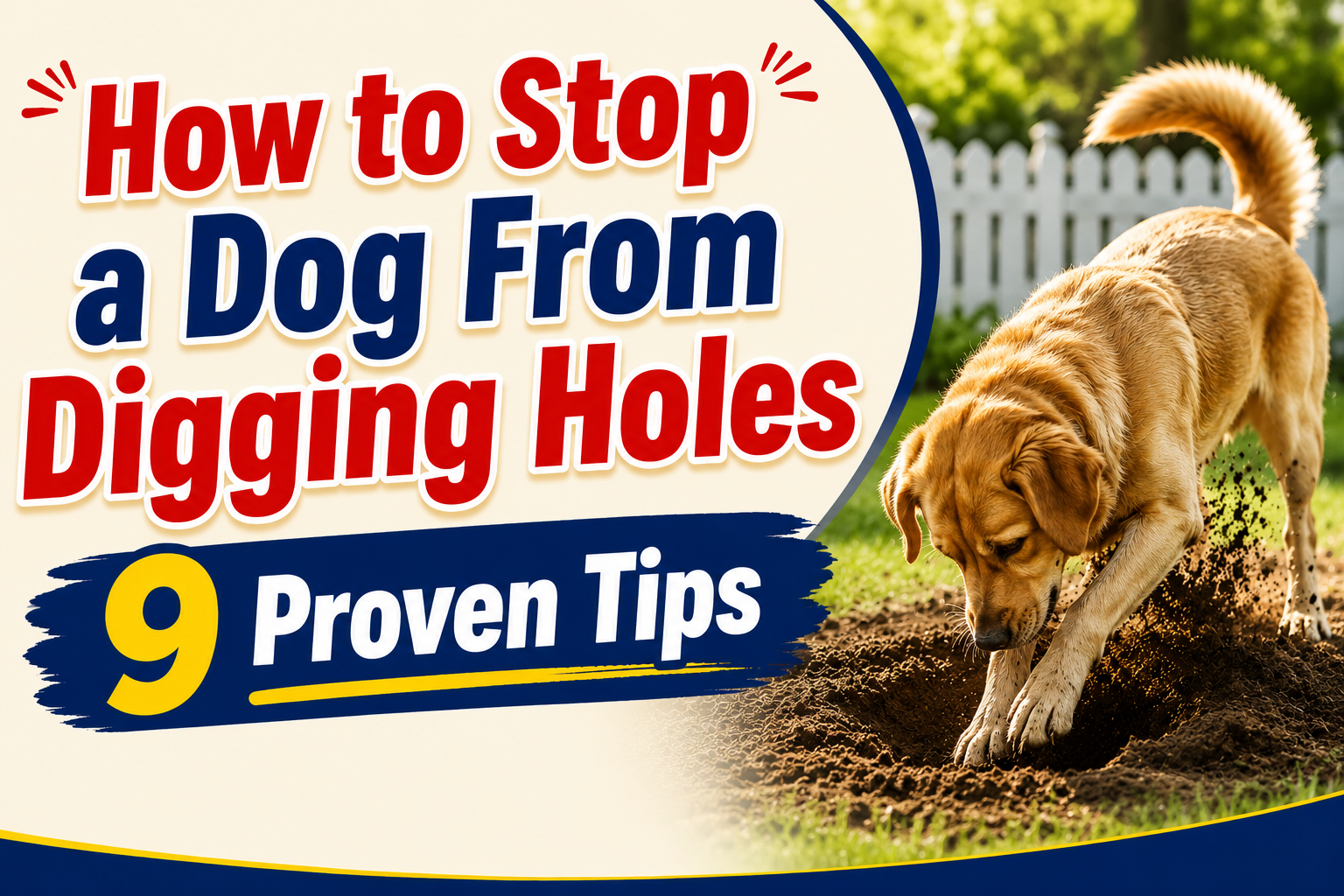
How to stop a dog from digging holes requires finding why that specific spot intrigues him. A hole dug by a dog near the fence may signify something unique to him as compared to a hole dug near a tree. Dogs dig for various reasons including following a scent, cool ground, a way to escape, or even because they simply enjoy it.
Digging itself is normal behavior for a dog, so finding a solution may not be about stopping the behavior all together. Instead, observing a pattern and eliminating what encourages the unwanted digging may be a more appropriate approach.
Why Does My Dog Keep Digging Holes?
The location, timing and repetition of the digging can provide more information than the size of the hole. Observe what the dog is doing right before he begins and whether he repeatedly returns to the same spot. Determine what options are available to him when you stop him from digging.
Dogs may dig for a number of reasons, including pursuing prey, escaping, seeking coolth, dennking, burying, boredom, or even fun. Some dogs are more likely to dig than others, especially those that have been bred to unearth underground game.
| Digging pattern | Thing to look for |
|---|---|
| Fence edge | Outside trigger |
| Same patch | Scent or activity |
| Shady soil | Cooling off |
| Near toys | Burying |
| Only when alone | Some kind of stress |
This will quickly help identify if there is an underlying issue that needs to be addressed or a solution that may have little relevance to why your dog is digging in the first place.
How To Stop A Dog From Digging Holes
There is no one cure-all solution to solve every problem with dogs. You must first determine why the act of digging is beneficial to your dog, then modify that aspect of the problem. The 9 Proven Tips outlined below use objective evidence, such as where, when, and how often the behavior takes place, as well as how your dog acts before and after the digging occurs. This means they are more precise than the vague advice most books give about working your dog harder or getting him more toys.
1. Watch first
Watch the few seconds before or while your dog begins digging. If you see it hesitate, sniff, or watch the fence closely, pay attention to what comes next. If it investigates the earth first, that might be a good place to start searching, while if it watches something outside, you may need to keep an eye out for something or someone that might be able to get out.
2. Check Repeat Holes
Does your dog tend to circle the same hole multiple times, or investigate it even after you’ve dug it up? If so, the answer to why it’s digging may be found not in the first hole, or fence, or tree you saw it digging up, but what else was there for it to sniff, smell, or dig at when it first started. Try investigating that hole (if you didn’t already), or if it’s a new hole, check what’s around it.
3. Read The Hole
Does your dog sit or lay down in the hole after it is dug? Is the hole shallow compared to others? Does it dig at multiple spots in the ground versus one area? Take note of these details when trying to figure out your dog’s motivations for digging, as different actions and behaviors may point towards different reasons and needs that it is digging.
4. Create A Dig Spot
If your dog likes digging, instead of punishing it for doing so, give it one designated dig spot that it’s allowed to dig in. Periodically, you can put a toy or some treats in the ground for your dog to find. When your dog tries to dig anywhere other than your dig spot, try redirecting it there, instead, giving it praise when it does so. This will not necessarily stop the digging, but it will reinforce the idea that digging is okay, if it’s done in the right spot.
5. Secure The Fence
If your dog is digging under or near the fence, it could be that it either wants to get out itself, it wants to go after something outside the fence, or something is digging or trying to get in. If possible, prevent your dog from escaping or digging under the fence, and see if you can find out what it is that it wants to get to, or that is getting to it. If your dog is simply watching what is happening on the other side of the fence, you may need to reduce its access or ability to see what is outside.
6. Check The Temperature
If your dog digs a shallow hole, lays down in it, and seems relatively comfortable, it may be that it is trying to cool itself down. If it’s hot outside, try to provide shade and water so that your dog can cool down without digging. You shouldn’t stop it from digging, but you should provide another source of cooling so that the dog won’t feel the need to dig itself a bed. If your dog shows symptoms of heat stroke, like heavy panting, weakness, or dizziness, you should take it to the vet.
7. Redirect Early
If you notice your dog digging or sniffing around the area where it may dig before it actually does so, try redirecting it away from the digging spot. The point is not to punish your dog for digging, but to discourage it from digging in one particular spot, so you don’t want to punish it unless it actually does dig. By redirecting early enough, you can prevent this from becoming a bad habit.
8. Compare Alone Time
See if there are any differences in how the animal digs depending on whether or not you are outdoors with your dog. If the dog doesn’t dig while you’re with it, but only digs during extended periods when it is alone, see what’s going on during those times. It doesn’t necessarily mean it is bored or anxious. If digging continues regardless of your presence, the location, soil or instinct may deserve closer attention.
9. Teach “dig here”
When you have a dog that digs holes, instead of asking it to stop completely, it might help to set boundaries. Find an appropriate place where digging will be allowed and direct your pet to dig there. Use of rewards for the proper use of the behavior and predictability of the location will ensure that the dog learns that it is acceptable to dig, and the critical part is the location of the digging.
What Not To Do When Your Dog Digs
Do not punish your dog for having dug a hole. Not only is the penalty delayed, but it may also instill a healthy fear of the thing that led to the digging. In addition, it may be difficult to determine where the dog is allowed to dig, even if you tell it in advance.
It is unwise to try to deter the pet with irritants by putting them in the ground. It would be wrong to make every trip outdoors one of corrections for the same reason. Proper management and rewards provide clear instructions to the dog on what to do.
Snap a Video to Save a Future Memory
Before you rush over to stop the flying dirt, pull out your phone and hit record. Capturing a quick video of your dog in the act gives you a perfect reference tool. You can review the footage later when you are calm to spot subtle triggers like a passing shadow, a specific bug, or a lingering scent you missed in the heat of the moment. If you ever need to consult a vet or a dog trainer down the line, showing them this exact visual memory skips the guesswork and gets you much faster answers.
When Digging Needs More Attention
Digging is something that requires more investigation when it is sudden or happens frantically or with other changes in the dog’s behavior. If your dog is consistently attempting to dig out from under a fence, it might not just be because he enjoys digging. Pay special attention if your dog:
- digs when left alone.
- tries to escape repeatedly.
- injures his paws or nails.
- gets upset around the fence.
- or any other unusual behaviors
If your dog is digging and it’s related to a lot of distress, injury or other unacceptable behaviors, you should talk with your Vet. Also consider a qualified behavior specialist if you are having trouble determining the cause or dealing with the behaviors.
The Real Problem Is Not Always The Hole
A damaged lawn is surely the main concern of the dog owner, but the most important clue can often be found in the hole your dog keeps digging
If it is next to the fence check what happens on the other side, if it is under a tree consider comfort, if it is always the same one look closer at what makes it special, and if it seems to appear primarily when your dog is home alone take a look at what is happening during that time.
Once the cause becomes clear, the solution becomes more clear. You might require a barrier, a cooler spot for rest, a digging site, closer observation, or help with a behavioral issue. The aim is not merely to reduce the number of holes but to make the desired behavior more valuable than the hole that the dog is digging.
FAQ’s
Why is my dog suddenly digging holes?
Consider shifts in climate, schedule, wildlife, exercise, or time outside alone. A change in behavior warrants more consideration than an existing one.
Should I get my dog a digging area?
Yes. Providing a designated digging area will give your dog an acceptable place to dig.
Will more exercise solve my dog’s digging?
Yes. It could solve the problem if inactivity plays a role, but it won’t solve digging due to hunting, escaping, heat, or anxiety.
Should I punish my dog for digging?
No. Figure out why your dog digs, limit its access to areas where it shouldn’t be digging, and offer a reward for an acceptable alternative. Punishment does not tell the dog what to do instead of digging.
References
- VCA Animal Hospitals. Dogs and Destructive Digging: VCA Animal Hospitals
- Merck Veterinary Manual. Behavior Problems of Dogs: Merck Veterinary Manual
- American Veterinary Society of Animal Behavior. Position Statements: AVSAB
Disclaimer: The information shared in this article is for educational purposes only. If your dog suddenly starts to dig, becomes distressed, escapes, causes self-injury or behaves in some other manner that is out of the ordinary, contact your veterinarian or a behavior specialist.

- Puppy Harness Guide: How to Choose the Right Dog Harness for Training - September 20, 2026
- Best Chow Chow Mix Breeds: Traits, Size & Temperament Guide - September 10, 2026
- Entlebucher Mountain Dog: Complete Breed Guide, Care & Training - September 10, 2026